
symptoms of low oestrogen
Symptoms of Low Oestrogen: What They May Mean and When to Seek Care

Start with the pattern, not a single symptom
Possible low oestrogen symptoms can involve your temperature regulation, sleep, vaginal comfort, mood, and thinking. A single change does not establish that oestrogen is low. The more useful starting point is the pattern: what changed, when it began, whether several symptoms appeared together, and how much the changes affect your daily life.
The reproductive transition can last several years and may bring irregular menstrual cycles alongside a broad range of symptoms. Hot flashes are commonly reported, while vaginal dryness, sleep disturbance, and mood changes are also common. Yet sleep problems, mood changes, fatigue, and other concerns can have more than one cause. This guide has no out of scope parts: it stays with symptom patterns, overlapping causes, and practical preparation for a clinical discussion.
Use the information here to decide whether a clinician conversation would be useful, not to diagnose yourself. A symptom record can make the discussion clearer, but it cannot confirm low oestrogen or tell you which treatment is appropriate.
What low oestrogen may mean during the transition
Low oestrogen generally refers to reduced ovarian oestrogen production in a setting where hormonal changes are affecting the body. During the transition toward the end of menstrual cycling, ovarian secretion of oestrogen, androgen, and progesterone can decline, and the transition may span several years. Those changes can be associated with symptoms across several body systems, but the timing and combination differ from person to person.
The end of menstrual cycling is clinically identified after 12 consecutive months without a menstrual period when another pathological cause is not responsible. That definition describes a stage of life; it does not mean every symptom before or after that point comes from oestrogen. Your life stage, medical history, medications, examination, and symptom pattern all matter when a clinician interprets the change.
Commonly reported changes include hot flashes, vaginal dryness, disrupted sleep, mood changes, and sometimes cognitive difficulties. The relationship with changing hormones is clearer for some symptoms than for others: hot flashes, vaginal dryness, and disrupted sleep are commonly linked with the transition, while mood and cognitive changes have less consistent hormonal links. Treat the list as a prompt for questions, not as a diagnostic score.
Physical and temperature-related changes
Physical and temperature-related changes that may appear in a broader symptom pattern include:
- Hot flashes or sudden episodes of feeling overheated.
- Night sweats.
- Waking during the night or waking earlier than intended.
- Changes that arrive in clusters rather than as one isolated symptom.
Hot flashes are among the most commonly reported changes during the transition and are often described as especially bothersome. In one reviewed assessment, hot flashes, nighttime waking, night sweats, and early-morning awakening were commonly reported; hot flashes were rated most bothersome, followed by nighttime waking and fatigue.
Symptom patterns can vary widely. In one reviewed assessment, women reported between 1 and 22 symptoms, with a median of 11. That finding does not predict what you will experience, and it does not show that a larger number of symptoms means a greater decline in oestrogen. Record the sequence and impact instead of trying to assign meaning to the count.
If heat episodes, night sweats, or disrupted sleep are recurring or interfering with work, rest, or daily activities, add them to a symptom record and arrange a clinician conversation. Do not use the presence or absence of hot flashes as a test for low oestrogen.
Sexual and genitourinary changes
Vaginal dryness is a commonly reported change during the transition and can belong in a discussion about possible oestrogen-related symptoms. You may find it useful to record when you notice it, whether it is intermittent or persistent, and how it affects comfort or daily life. Use plain language with your clinician; you do not need to reduce the concern to a hormone label before asking for help.
Vaginal dryness has a more apparent relationship with changing hormones than many mood or cognitive complaints, but it still does not prove that oestrogen is low in your particular case. Include it with the rest of the pattern, especially if it appears alongside temperature changes, sleep disruption, or menstrual changes. A clinician can consider the whole presentation rather than interpreting one symptom in isolation.
Track the symptom without treating the record as a diagnostic test. Bring the pattern to a clinician if it is bothersome, persistent, or difficult to interpret.
Sleep, mood, and cognitive changes need context
Sleep problems are common during the transition, but they are not explained by hormone changes alone. About 40% of women in the selected Harvard Health passage had sleep problems, while the same passage describes sleep as a complex issue involving factors such as night sweats, changing sleep cycles, ageing, and insomnia. If you wake often, note whether heat episodes, stress, schedule changes, or another pattern accompanies the disruption.
Mood symptoms also need careful interpretation. One cited estimate places the proportion of women experiencing mood symptoms during the transition at 10%–20%, but that figure describes a population estimate, not your individual cause. The selected clinical discussion states that depression in midlife should not automatically be attributed to declining hormone levels; life stress, overall health, and a history of depression can also be important factors.
Cognitive difficulties may occur during this stage, yet their relationship with hormonal change is less consistent than the relationship described for hot flashes, vaginal dryness, and disrupted sleep. Describe what you notice, when it happens, and what else was occurring rather than concluding that oestrogen is the only explanation.
Arrange a clinician conversation when mood, sleep, or cognitive changes are persistent, distressing, or affecting your ability to function. Bring the timing and impact of the changes, not only the name you suspect.
Why the same symptoms can have different causes
The same symptom can arise from different processes. A review of symptoms during the transition notes that sleep disorders and joint pain also increase with age, while only vasomotor symptoms were specifically attributable to the transition in one cited representative survey. This is why a symptom list can suggest a useful question without answering it. That distinction can guide the way you describe the pattern. Note whether a change is a sudden heat-related episode, occurs with night sweating, follows a sleep disruption, or appears independently. This does not rank symptoms or establish their cause. It separates a more recognisable temperature pattern from complaints with wider overlap, giving a clinician a clearer starting point. For example, recording when a heat episode occurred, whether sweating was present, and how it related in time to sleep is more useful than recording only that your “hormones feel off.”
Thyroid conditions can overlap with several concerns that people may associate with low oestrogen, including:
- Sweating or feeling unusually warm.
- Palpitations.
- Weight loss.
- Nervousness.
- Sleep problems.
This overlap can make the cause difficult to identify without clinical assessment. Do not assume that a cluster of these symptoms proves a hormone change, and do not start or change hormone treatment based on the list alone.
Life stress, overall health, previous depression, ageing, thyroid dysfunction, and sleep conditions are examples of factors that can affect how you feel. Your clinician may also need to consider your life stage, medical history, medications, examination, and the timing of each symptom. Keep those details together so the evaluation starts with context rather than a single suspected cause.
The practical boundary is simple: symptoms can justify a clinical discussion, but symptoms alone cannot confirm low oestrogen. A clinician must interpret the pattern and decide what evaluation is appropriate.
When to arrange a clinical conversation
Arrange a clinical conversation when changes are bothersome, recurring, or affecting sleep, comfort, mood, work, or daily activities. A discussion is also reasonable when several symptoms appeared around the same time, when you cannot tell whether they are connected, or when the pattern is changing. The decision does not depend on reaching a particular symptom count; distress and impact matter.
Misra Wellness explains that red flags related to postmenopausal bleeding can indicate when medical attention should be sought. If this applies to you, contact a qualified clinician promptly.
Bring direct questions such as:
- Could more than one factor explain this pattern?
- Which parts of my history or medication list matter here?
- What changes should I track before a follow-up discussion?
- What evaluation is appropriate for these symptoms?
These questions keep the conversation focused on interpretation rather than on obtaining a predetermined diagnosis or treatment.
Prepare a useful symptom record
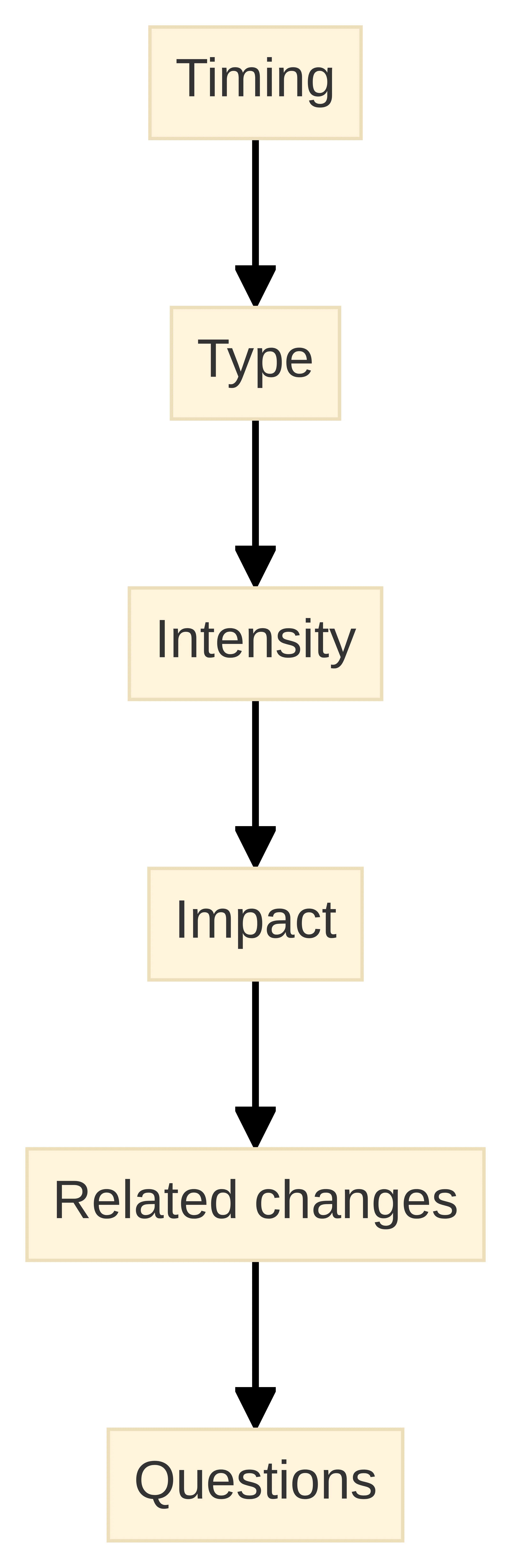
A symptom record gives you something concrete to discuss with a healthcare professional, but it does not establish the cause of your symptoms. Keep it brief enough to maintain. For each meaningful change, record:
- Timing: when it began, how often it occurs, and whether it follows a recognizable pattern.
- Type: heat episodes, night sweats, sleep disruption, vaginal dryness, mood changes, cognitive difficulties, or another concern.
- Intensity: how disruptive it feels on a simple scale you can use consistently.
- Impact: whether it affects rest, comfort, concentration, work, relationships, or daily activities.
- Related changes: menstrual timing, other symptoms that began around the same period, and any major change in your health context.
- Questions: what you want clarified at the appointment.
Add relevant context to the same record: current medications, important medical history, sleep changes, stress, and concerns that could overlap with thyroid or other health conditions. You are not trying to prove that oestrogen is low. You are showing the timing, combination, and effect of the changes so a clinician can assess them together.
Use the record to guide a conversation, not to make a treatment decision independently. Tracking can help you describe symptom clusters and their sequence; it cannot determine whether hormone therapy or any other treatment is suitable for you. After several days or weeks of notes, if that is practical, prepare a short summary rather than handing over disconnected entries. Start with the first noticeable change, then identify which symptoms tend to occur in the same period and which appear separately. Add any change in menstrual timing, medication, health, stress, or sleep context that matters to the timeline, and finish with the change that most affects your daily life. This summary helps keep the discussion anchored to sequence, combination, and impact. It also makes uncertainty visible: you can tell the clinician what you observed without claiming that one symptom caused another or that low oestrogen is confirmed. If your notes are incomplete, bring what you have; a record is a conversation aid, not a requirement to wait for symptoms to reach a certain number or duration.
Choose evaluation over self-diagnosis
Possible low oestrogen symptoms are best understood as a pattern that deserves context, not as a checklist that gives you a diagnosis. Track the changes that matter, include relevant health and medication details, and seek clinical discussion when symptoms are bothersome, persistent, or difficult to explain. Do not start hormone treatment independently. A qualified clinician must decide what your symptoms mean and whether any treatment is appropriate for you.
At Misra Wellness, we evaluate and treat transition-related symptoms, thyroid and hormonal changes, and complex overlapping symptom presentations. We treat transition-related symptoms with evidence-based options, including hormone therapy where appropriate. Dr. Misra is a Menopause Society Certified physician (MSCP), and our approach begins with the individual pattern rather than a symptom label.
Questions to consider before discussing possible low oestrogen
What are common symptoms associated with low oestrogen?
Common symptoms may include hot flashes, vaginal dryness, sleep disturbances, mood changes, and cognitive difficulties. However, these symptoms can vary widely among individuals.
How can I prepare for a consultation about my symptoms?
Keep a symptom record that includes the timing, type, intensity, and impact of your symptoms, as well as any related changes in your health or medications. This will help facilitate a productive discussion with your clinician.
What factors can influence the symptoms I experience during the menopause transition?
Symptoms can be influenced by various factors including age, overall health, life stress, and hormonal changes. It’s important to consider these factors when discussing symptoms with a clinician.
What should I do if I notice changes in my symptoms over time?
If you notice changes in your symptoms, especially if they become more bothersome or frequent, it’s advisable to arrange a conversation with your clinician to discuss these changes.
How does Misra Wellness approach treatment for symptoms related to low oestrogen?
Misra Wellness offers evidence-based treatment options for symptoms related to low oestrogen, including hormone therapy when appropriate, and emphasizes a personalized approach to care.
Ready for a real plan?
Work directly with Dr. Misra — no insurance, no rush.
Misra Wellness is a virtual-first Direct Primary Care practice serving California and New York. Book a meet & greet to see if we're the right fit.
Book a meet & greet