
Innovative Weight Management Solutions
Microdosing GLP-1s: Targeting Treatment to Tolerance
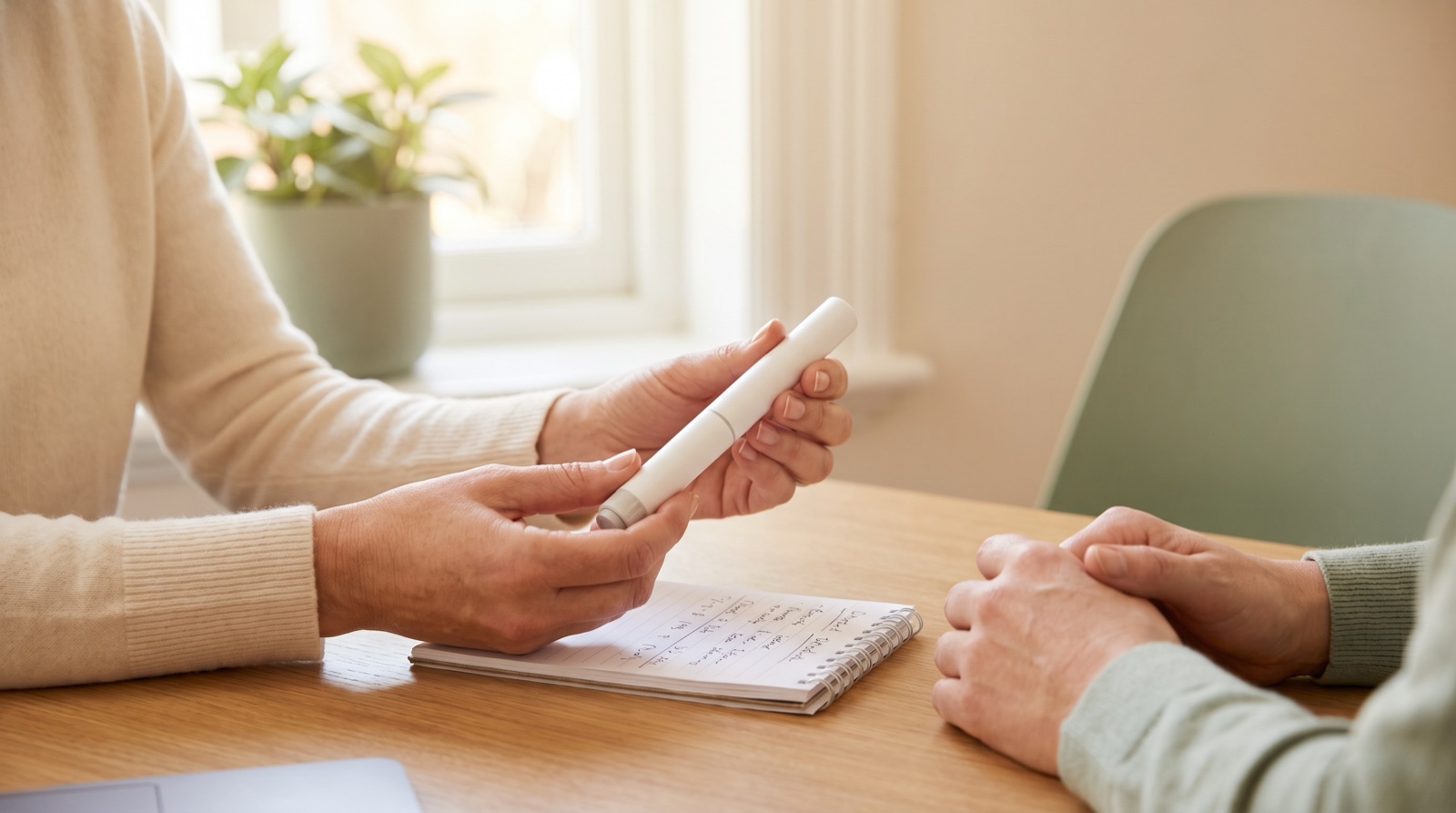
“Microdosing” has become the word people use for taking a GLP-1 medication at a lower dose than the label calls for. Dr. Sulagna Misra describes the legitimate version of it differently: targeting treatment to tolerance. The dose follows what your body can handle and what your goals require, not a calendar.
Dr. Misra recently explained the approach, and its risks, to Forbes Health. This article covers what she said and how the idea works in practice.
What microdosing a GLP-1 actually means
GLP-1 medications such as semaglutide (Wegovy, Ozempic) and tirzepatide (Zepbound, Mounjaro) come with a standard schedule. You start low and step up on a fixed timeline until you reach a maintenance dose. Wegovy injections, for example, start at 0.25 mg weekly and increase every four weeks up to 2.4 mg. Zepbound starts at 2.5 mg weekly and can go up to 15 mg.
Microdosing means taking less than that schedule calls for. As Dr. Misra told Forbes Health, this is often done “on a daily or more frequent basis rather than the standard once-weekly injection.” In other cases the dose simply stays lower, or rises more slowly, than the label suggests. In her words, “you go slower.”
Targeting treatment to tolerance
The standard schedule is built around an average patient in a clinical trial. Real patients are not averages. Some feel well and see results at a low dose. Others get nausea every time the dose goes up. Some are coming back to the medication after a break.
Titrating to tolerance means a physician adjusts the dose to the person in front of them. Common reasons include:
- Side effects make the next step hard to sustain. A medication you can stay on does more than one you have to stop.
- You are restarting after time off. “You cannot just jump back to the dose you were on before. It can make you quite sick,” Dr. Misra told Forbes Health.
- A lower dose is already meeting your goals. There may be no clinical reason to escalate further.
This is a medical decision made with a physician who knows your history, your labs, and how you responded to earlier doses. It is not a way to stretch a prescription.
It is legal, and it is off-label
Prescribing a GLP-1 below the labeled dose is legal, and it is considered off-label. That means the FDA has not reviewed whether the medication is safe and effective at that dose, and research on microdosing is limited. Anyone considering it should hear that plainly from their physician before starting.
There is also a trade-off. A very low dose may not deliver the full benefit. As Dr. Misra noted, people may not lose as much weight, or see as much improvement in blood sugar, as they would at the full approved dose.
Where microdosing goes wrong
The real danger is doing this without a physician. Dr. Misra described to Forbes Health what she sees: “There are people taking these prefilled pens and trying to transfer the medication into vials they buy online that may or may not be sterile.” Her assessment: “This is extremely dangerous.”
Splitting pens at home invites dosing errors and bacterial contamination. “People have been hospitalized. People have gotten sicker from contaminated medication than they ever would have been from the condition they were trying to treat,” she said.
Compounded GLP-1s carry their own concerns. They are not FDA-approved, and the FDA has warned about mislabeled products, improper storage in shipping, dosing errors, and untested ingredients. As of July 31, 2025, the agency had received 605 adverse event reports linked to compounded semaglutide and 545 linked to compounded tirzepatide.
Side effects at lower doses
A smaller dose does not mean no side effects. “The most common side effects are the gastrointestinal, including nausea, vomiting, diarrhea, constipation and abdominal discomfort,” Dr. Misra told Forbes Health. Fatigue, headache, bloating, and heartburn are also common. Rare but serious risks, including pancreatitis and dehydration that can affect the kidneys, apply at any dose.
Tell your physician about symptoms early. Adjusting the dose or the pace is the whole point of this approach.
What makes a lower dose work
A GLP-1 works best as one part of a plan. Dr. Misra points to physical activity, sleep quality, stress reduction, and regular medical follow-up. The follow-up matters most. It is how your physician knows whether to hold a dose, raise it, or step back.
Key takeaways
- Microdosing means taking a GLP-1 below the labeled dose or raising it more slowly.
- Done with a physician, it is a way to match the dose to your tolerance and goals.
- It is off-label, the research is limited, and a low dose may give less benefit.
- Never split pens or adjust doses on your own.
Talk to a physician first
At Misra Wellness, GLP-1 treatment is prescribed and monitored by Dr. Misra, with dosing adjusted to how you respond. If you want to know whether a slower or lower-dose approach fits your situation, start with our medical weight loss program or contact our office.
This article is for education only and is not medical advice. Do not start, stop, or change the dose of any medication without talking to your physician.
Ready for a real plan?
Work directly with Dr. Misra — no insurance, no rush.
Misra Wellness is a virtual-first Direct Primary Care practice serving California and New York. Book a meet & greet to see if we're the right fit.
Book a meet & greet